


If you’re planning a trip, here's everything you need to know about Jervis Bay Bioluminescence: what it is, why it happens and how to capture the moment.
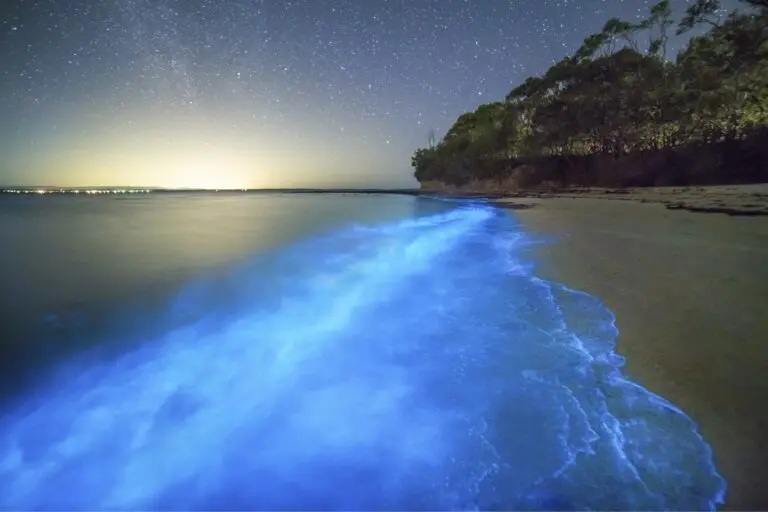
Imagine a midnight stroll along the shoreline of Jervis Bay, where the ocean glows a surreal blue, shimmering with each passing wave. This phenomenon, known as bioluminescence, is one of nature’s most awe-inspiring displays.
Drawing visitors and photographers alike to the NSW South Coast, the “blue tide” creates a magical scene against the dark canvas of the night. If you’re planning a visit, here’s everything you need to know about Jervis Bay Bioluminescence: what it is, why it happens and how you can capture the moment. And while Jervis Bay is the headline act, it's really just one of several places to experience bioluminescence in Australian beaches, which makes it an ideal base for chasing the glow.

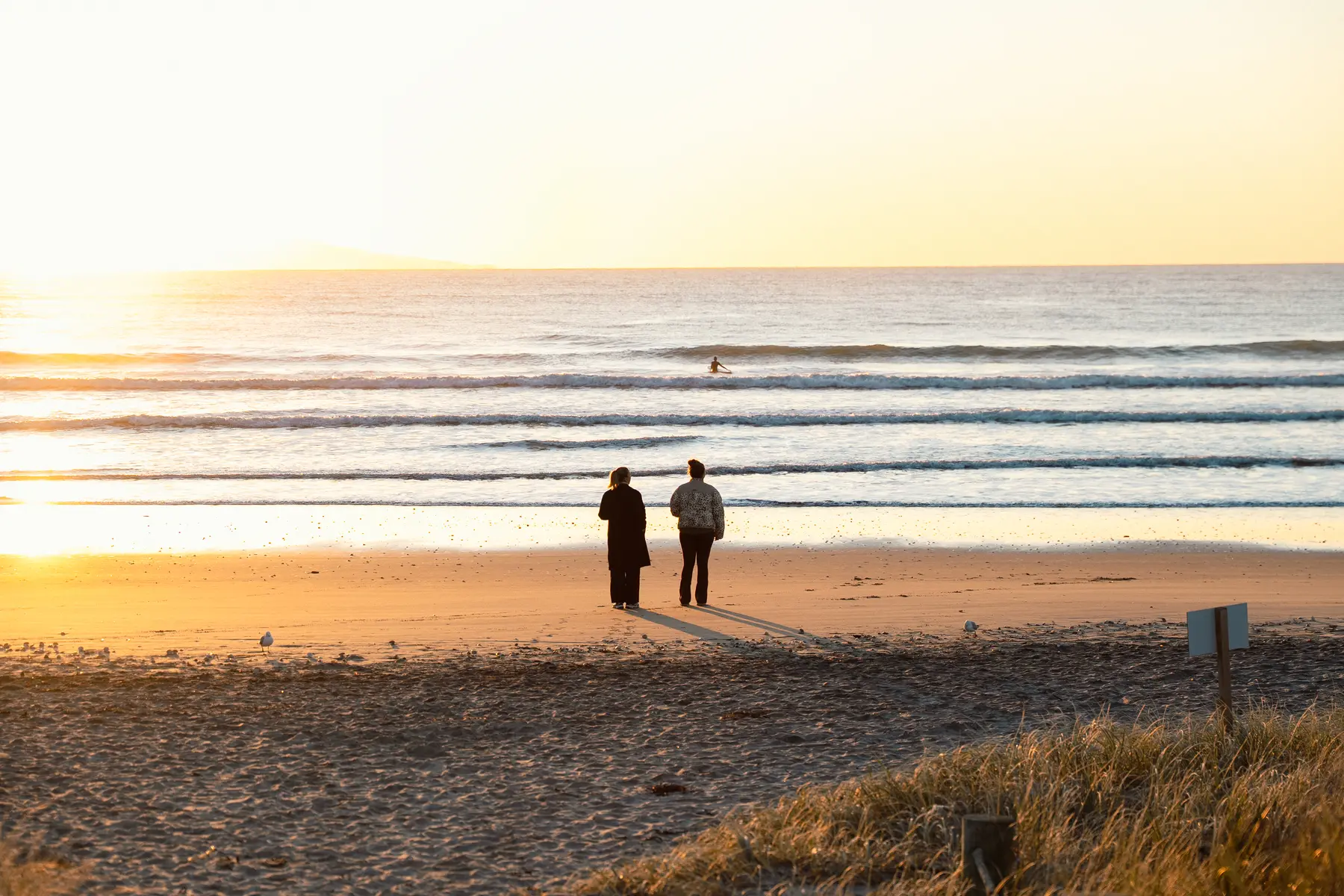
Dune vegetation, Callala Beach | Tasman Holiday Parks - Myola
What is Bioluminescence?
Bioluminescence is a natural phenomenon where living organisms emit light, creating a luminous glow. While various creatures, from fireflies to deep-sea fish, can produce this light, some of the most visible and striking bioluminescence occurs in the ocean. In Jervis Bay, the phenomenon is caused by tiny plankton called dinoflagellates that emit a brilliant blue light when agitated by movement, such as waves or footsteps on the sand.
The glow adds a layer of magic to the ocean’s edge, as waves sparkle like a million stars and the shoreline shimmers with each passing ripple.

Jervis Bay Bioluminescence at Plantation Point | Credit: Destination NSW
How Does Bioluminescence Work?
The science behind bioluminescent beaches in Australia lies in a complex chemical reaction within certain marine organisms. When disturbed, dinoflagellates release a protein called luciferase, which reacts with a molecule called luciferin in the presence of oxygen. This reaction releases energy in the form of light rather than heat, making it an efficient and mesmerising glow that lights up the sea.
The intensity of this glow can vary based on water temperature, nutrient levels and the concentration of these bioluminescent organisms. Jervis Bay’s sheltered waters provide a prime environment for dinoflagellates, offering visitors a front-row seat to this blue spectacle.
What Causes Bioluminescence?
Bioluminescence is often caused by microorganisms as a defence mechanism. When disturbed, the glow confuses or deters potential predators or it attracts larger predators that might prey on the dinoflagellate’s attacker. While many species can exhibit bioluminescence, the blue glow witnessed on the surface of Jervis Bay is predominantly caused by these single-celled dinoflagellates, which bloom under certain environmental conditions. The species responsible is usually Noctiluca scintillans, a tiny plankton better known by its nickname, Sea Sparkle.
During periods of warmer water and increased nutrients, particularly after rain, these microorganisms thrive. Algal blooms, as they are known, often lead to an increase in bioluminescent plankton, creating the stunning visuals that draw so many to the bay.
How Long Does the Bioluminescence on the Beaches in Australia Last?
Bioluminescent events in Jervis Bay and in other hotspots can vary in duration. Some blooms last for just a few days, while others may persist for several weeks, especially if conditions remain favourable. Generally, sightings are more frequent from late summer through autumn, though there’s no guarantee that it will be visible on any given night.
The phenomenon is fleeting, often influenced by a mix of environmental factors, so a bit of luck is involved in catching the display. Following social media pages and local news outlets can be helpful, as word of sightings spreads quickly among the local community.
How Often Does Bioluminescence Appear in Jervis Bay?
Bioluminescence is unpredictable, so there's no fixed schedule, but Jervis Bay has a stronger track record than most. The bay produced notable displays across 2018, 2019 and 2020, and the July 2020 event was reported as one of the brightest on record. Sightings have continued in the years since, usually through the warmer late-summer and autumn months. It's never guaranteed on any given night, yet few places in Australia offer better odds of catching the glow.
Where Can You See Bioluminescence in Australia?
Jervis Bay is widely regarded as one of the most reliable places to see bioluminescence in Australia, but the blue tide turns up in pockets right along the country's southern coastline. The cool, nutrient-rich waters of the south-east offer the best odds, which is why New South Wales, Victoria and Tasmania are the states where sightings are reported most often.
In Tasmania, calm summer nights around Hobart and the Tasman Peninsula have produced some of the brightest displays in the country. Victoria's Gippsland Lakes and parts of Port Phillip Bay glow on occasion, too, while South Australia's Port Lincoln has had its share of documented flares. Closer to the source, the beaches across New South Wales remain among the easiest to reach. Within the state, the Shoalhaven region on the South Coast leads the way, and Jervis Bay sits right at the top of that list as the standout bioluminescent beach in Australia for first-time spotters.

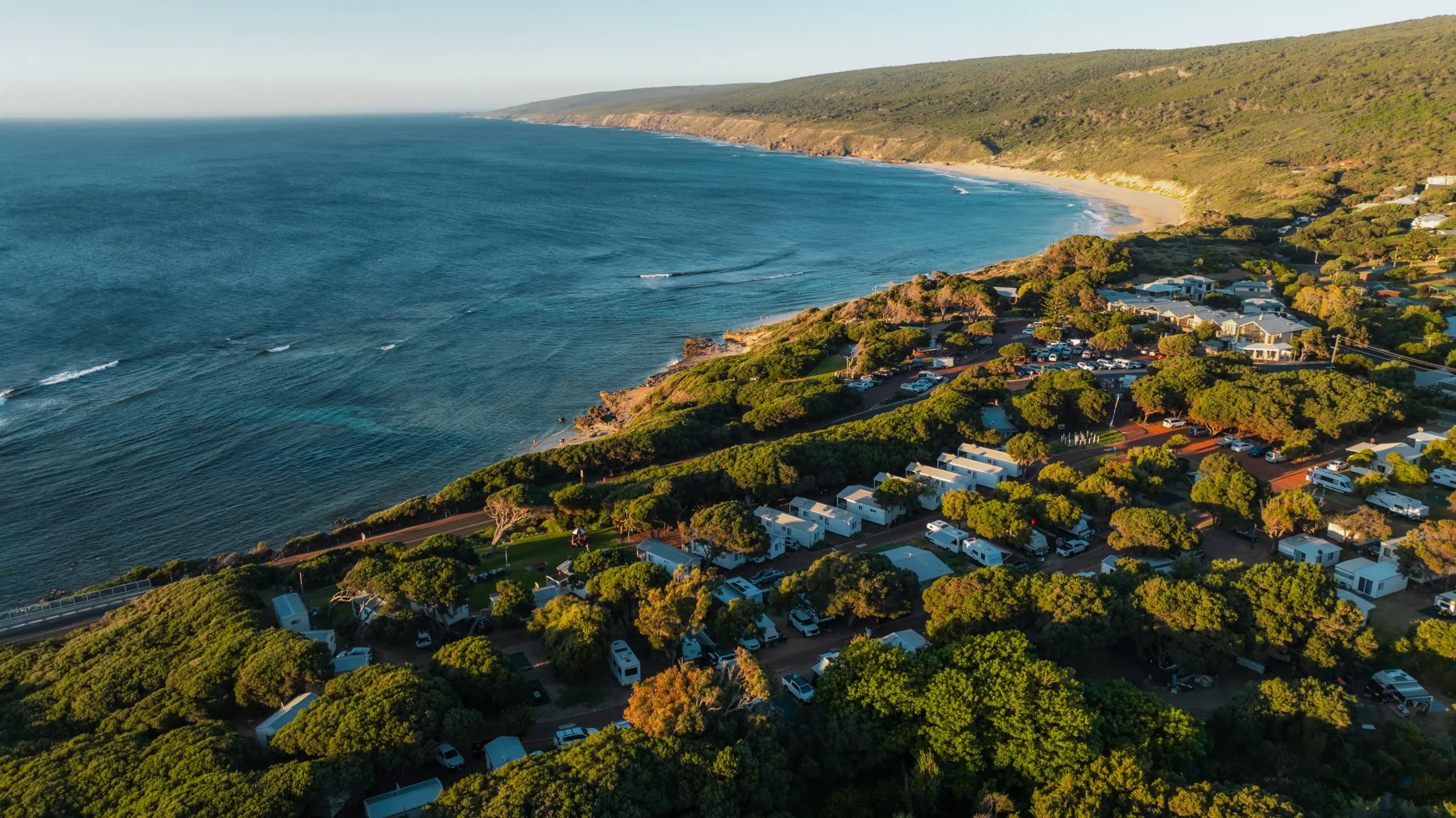
Aerial overlooking Murrays Beach, Jervis Bay.
When Can You See Bioluminescence in Jervis Bay?
Bioluminescence sightings are often best between late summer and early autumn, from February through April. Warmer water temperatures during these months, combined with an increase in nutrients following rainfall, create ideal conditions for dinoflagellate blooms.
The best time to witness bioluminescence is on a dark, moonless night, as even minor light pollution can lessen its visibility. Head out to the beach after sunset, wait for full darkness,and walk along the water’s edge for your best chance to see the glow.
How to Increase Your Chances of Seeing Bioluminescence
Catching the blue tide comes down to good timing and a little persistence. These tips will tip the odds in your favour:
- Follow local social pages and photographers — Word of a bloom spreads quickly among the community, and keeping an eye on hashtags like #bioluminescence is often the first sign it has arrived in the bay.
- Head out after rainfall — Rain washes nutrients from the land into the water, which helps trigger the algal blooms responsible for the glow, so the nights following a downpour are well worth watching.
- Pick a moonless night — The darker the sky, the brighter the beach bioluminescence appears, so it pays to check the moon phase and plan your trip around the new moon.
- Wait for full darkness — Give your eyes time to adjust well after sunset, as even a little lingering light can wash out the glow and make it harder to see.
Is It Safe to Swim in Bioluminescent Water?
It's one of the most common questions about bioluminescence in Australia, and the short answer is to look more than touch. The dinoflagellates behind the glow are delicate, and disturbing a bloom too much can stress the very organisms creating the display. A few species can also cause mild skin irritation, so it's best to admire the spectacle from the shoreline rather than wading through it. If you do head in, skip the sunscreen or lotions beforehand and tread gently.
How to Photograph Bioluminescence:
Capturing Jervis Bay Bioluminescence on camera can be challenging, but with the right equipment and technique, it’s achievable. Here are some tips:
- Use a Tripod: Stability is essential for night photography, as longer exposures are needed to capture the faint light of bioluminescence. A tripod will keep your camera steady for clearer images.
- Adjust ISO: Set your camera’s ISO to a high level, around 1600 to 3200, to increase the sensor’s sensitivity to light. Be careful not to go too high, as this can add noise to the image.
- Set a Low Aperture: Use a low aperture (around f/2.8) to allow more light to enter the lens. This helps capture the glow without needing excessive exposure time.
- Experiment with Exposure: Aim for an exposure time between 5 and 30 seconds, depending on the brightness of the bioluminescence and any surrounding light conditions. A longer exposure will capture more of the glow but may blur with wave movement.
- Manual Focus: Autofocus struggles in low light, so switch to manual focus and set your focus point to infinity for clearer shots.
Remember that conditions are rarely perfect, so practice and patience are key. Try different settings, check your results and make adjustments as needed to get the perfect shot.
Other Things to Do in Jervis Bay at Night
A night spent chasing the glow is even better with a few other things to fill the evening:
- Stargaze under dark skies — Jervis Bay's low light pollution makes it one of the best spots on the coast for naked-eye astronomy, and guided stargazing tours run on clear nights.
- Take a quiet beach walk — The same calm shorelines that light up as a bioluminescent beach are just as good for an unhurried evening stroll beside the waves.
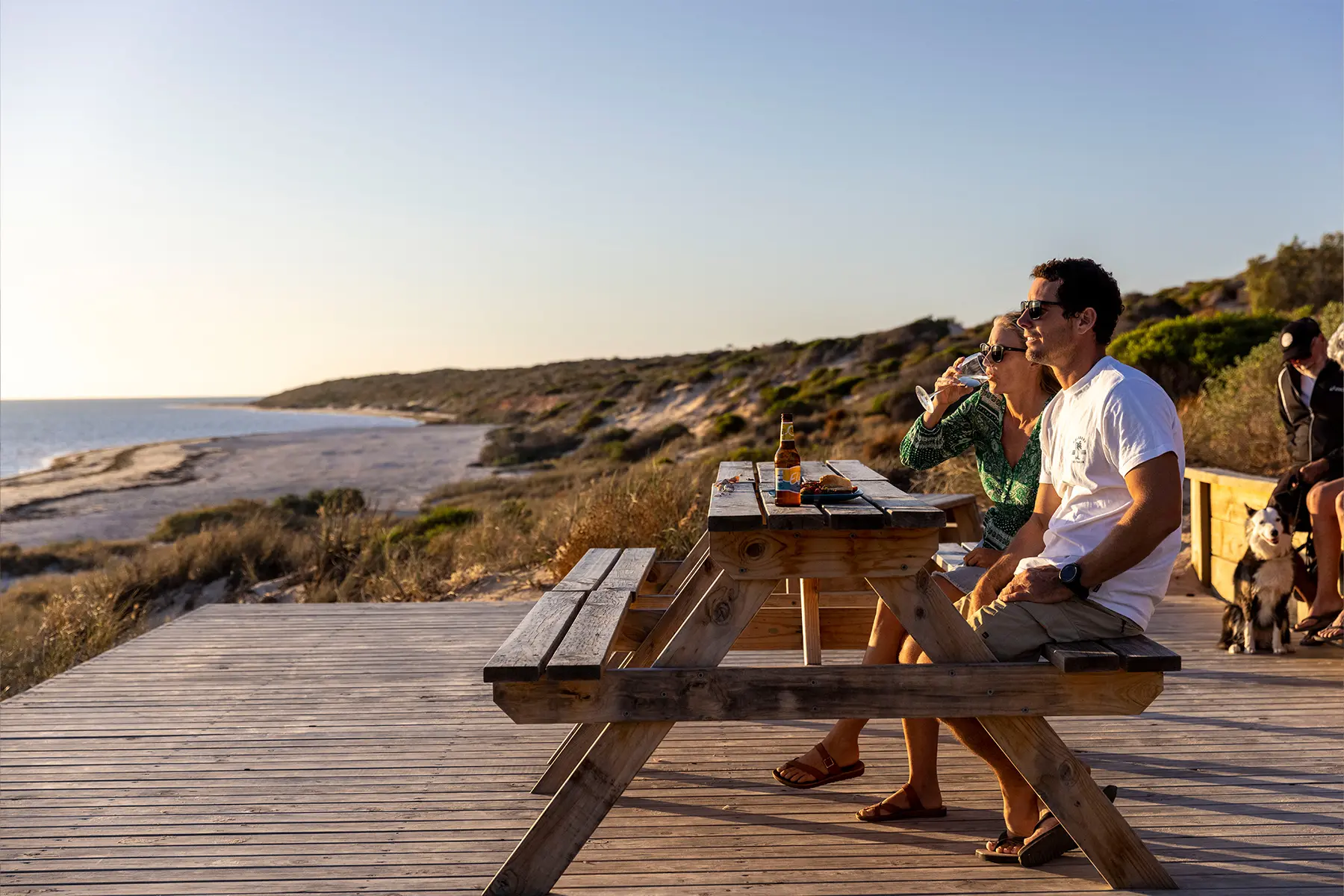
- Unwind back at the park — After a late night out, it's an easy trip back to your spot near Jervis Bay for a quiet drink and a good rest.
- Catch the sunset first — The bay faces west in spots, so an evening out can start with one of the South Coast's best sunsets before the sky darkens for the glow.
- Grab a bite in Huskisson — The nearby town has a handful of restaurants and bars, making it an easy place to settle in for dinner while you wait for full dark.
Plan Your Stay at Tasman Holiday Parks – Myola
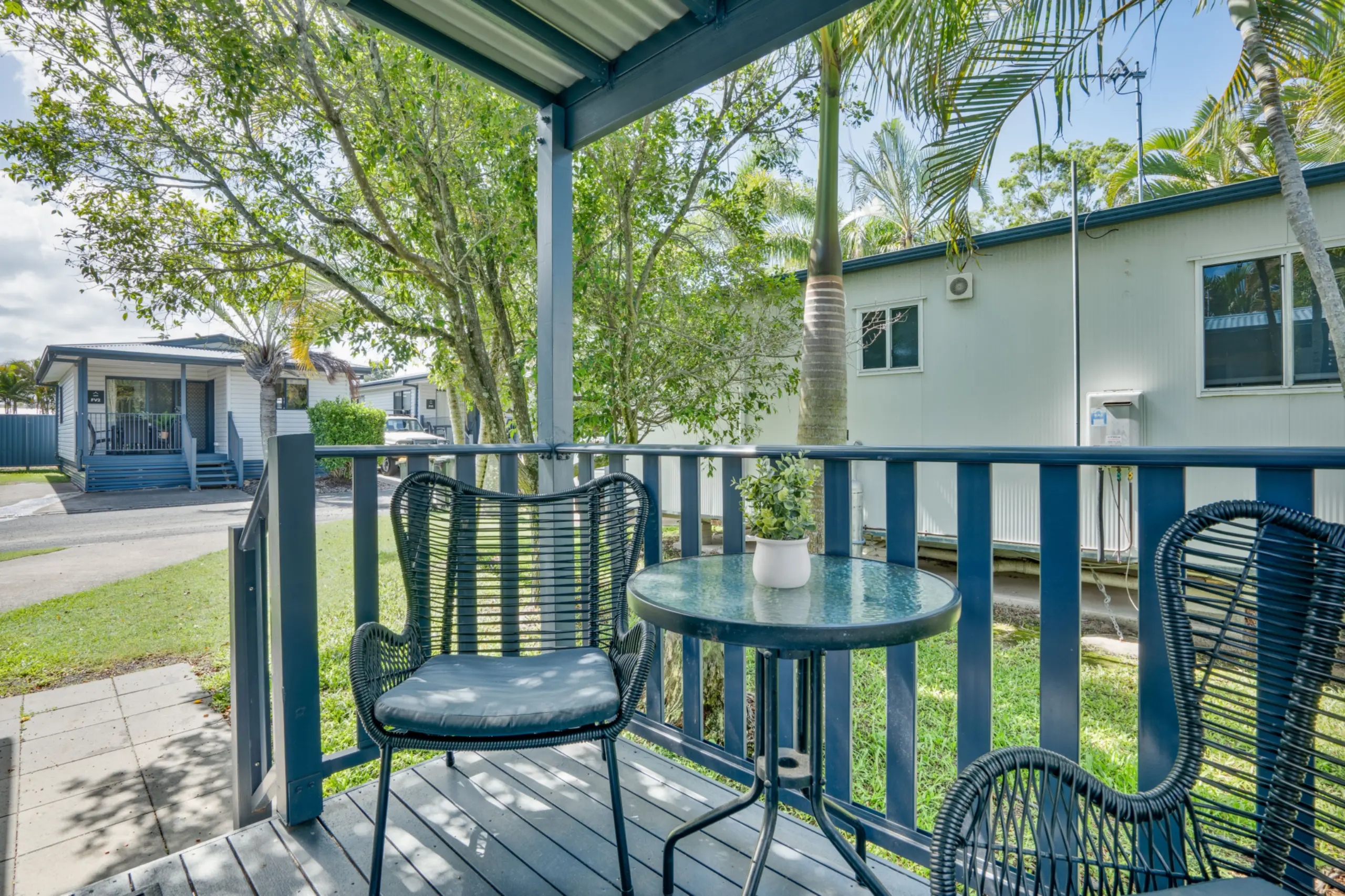
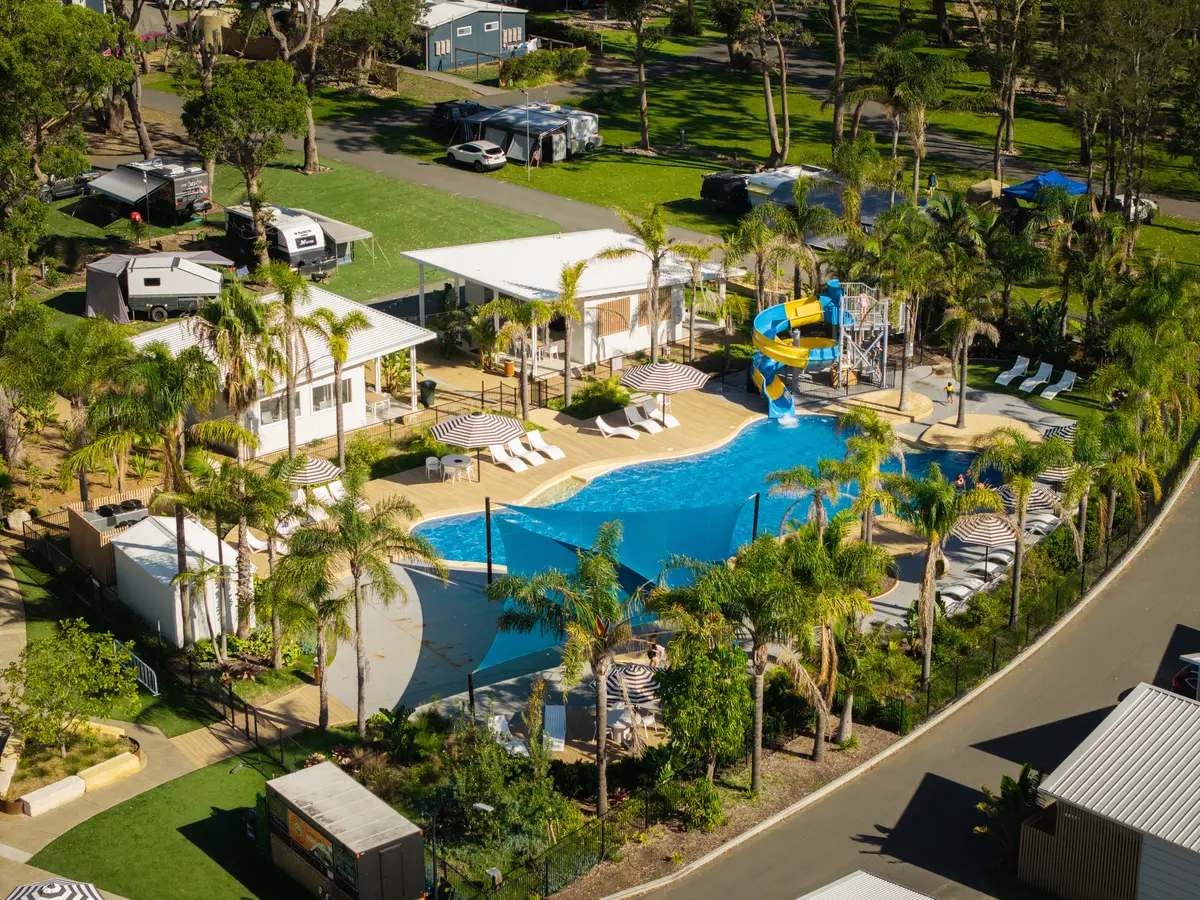
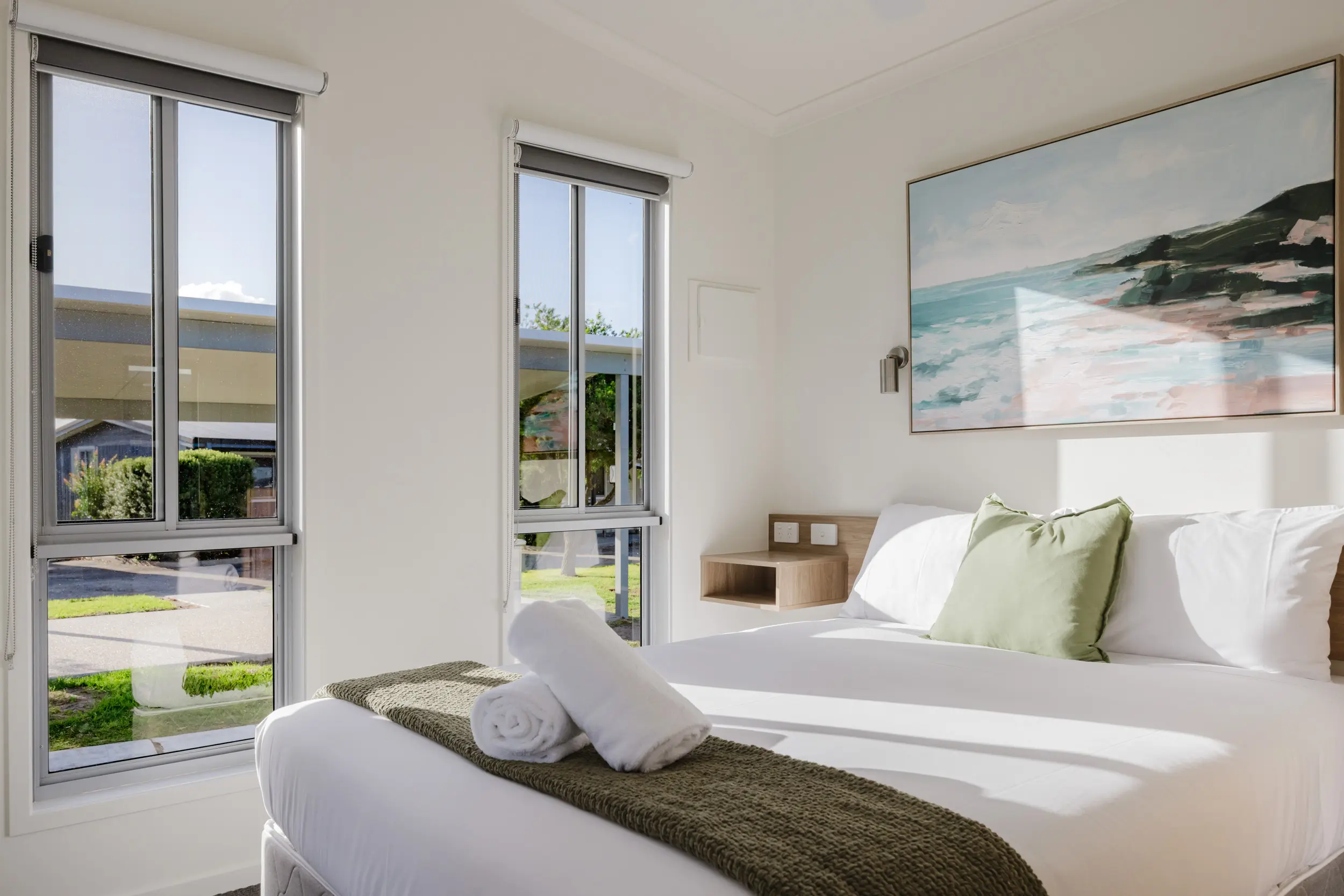
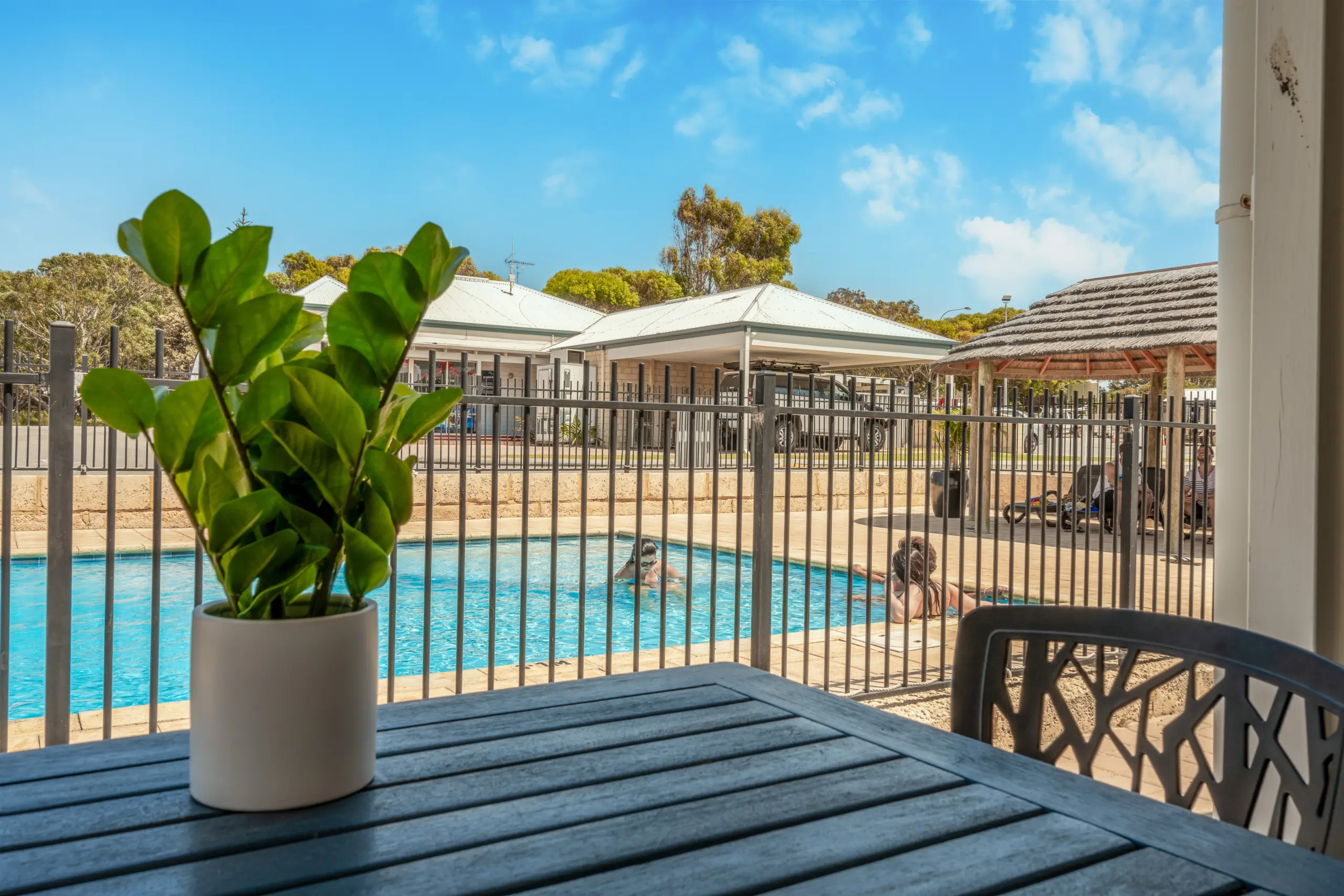
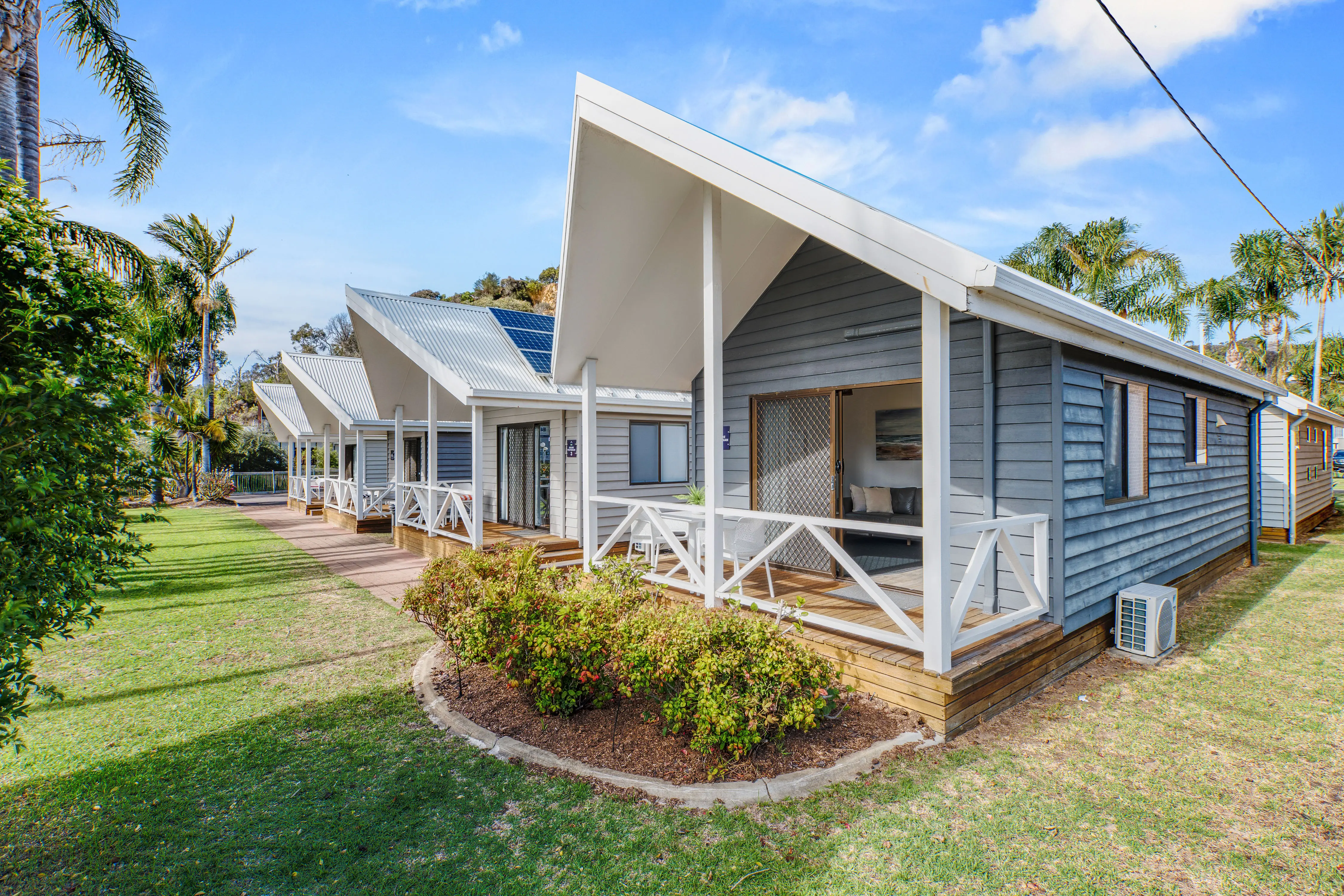
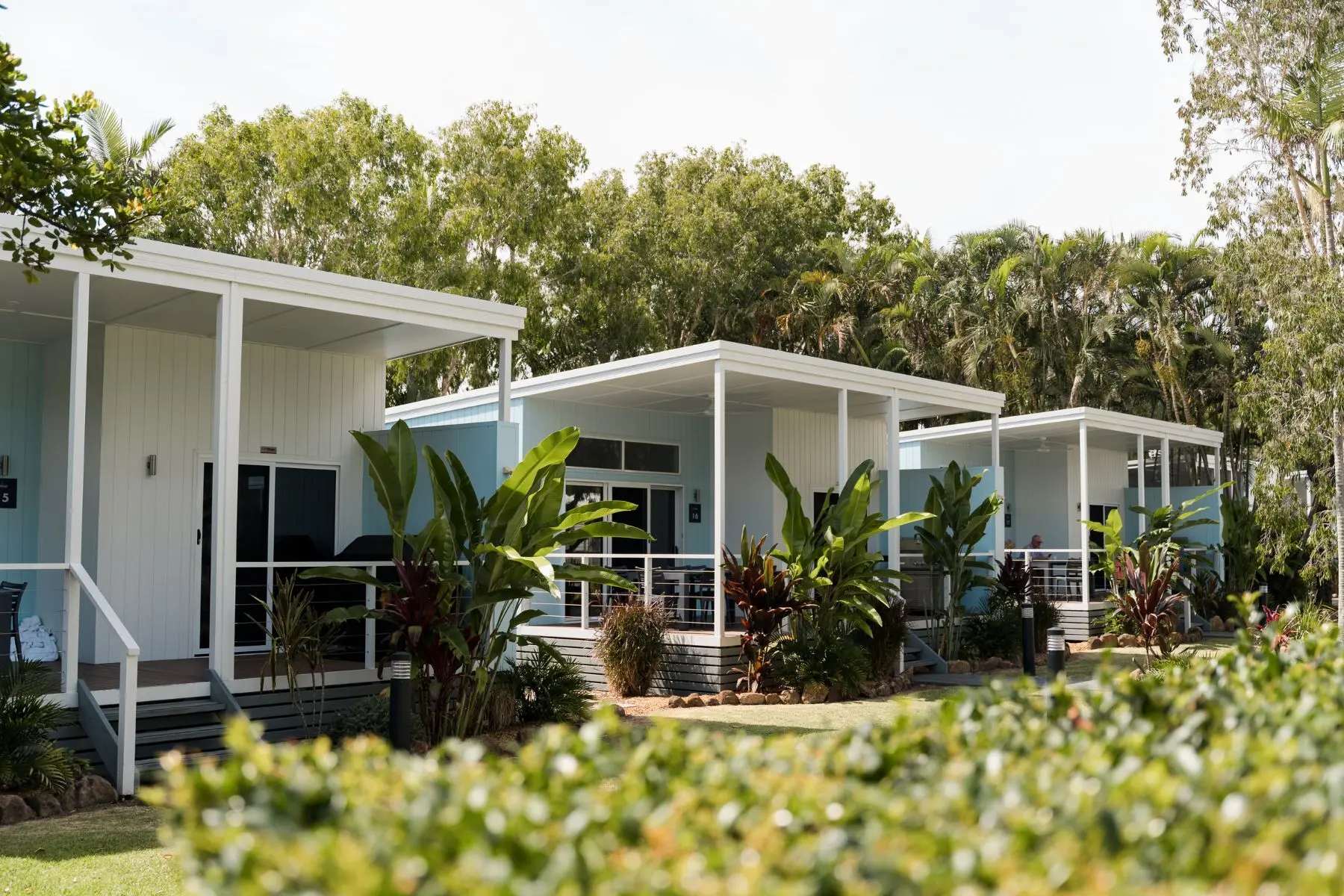
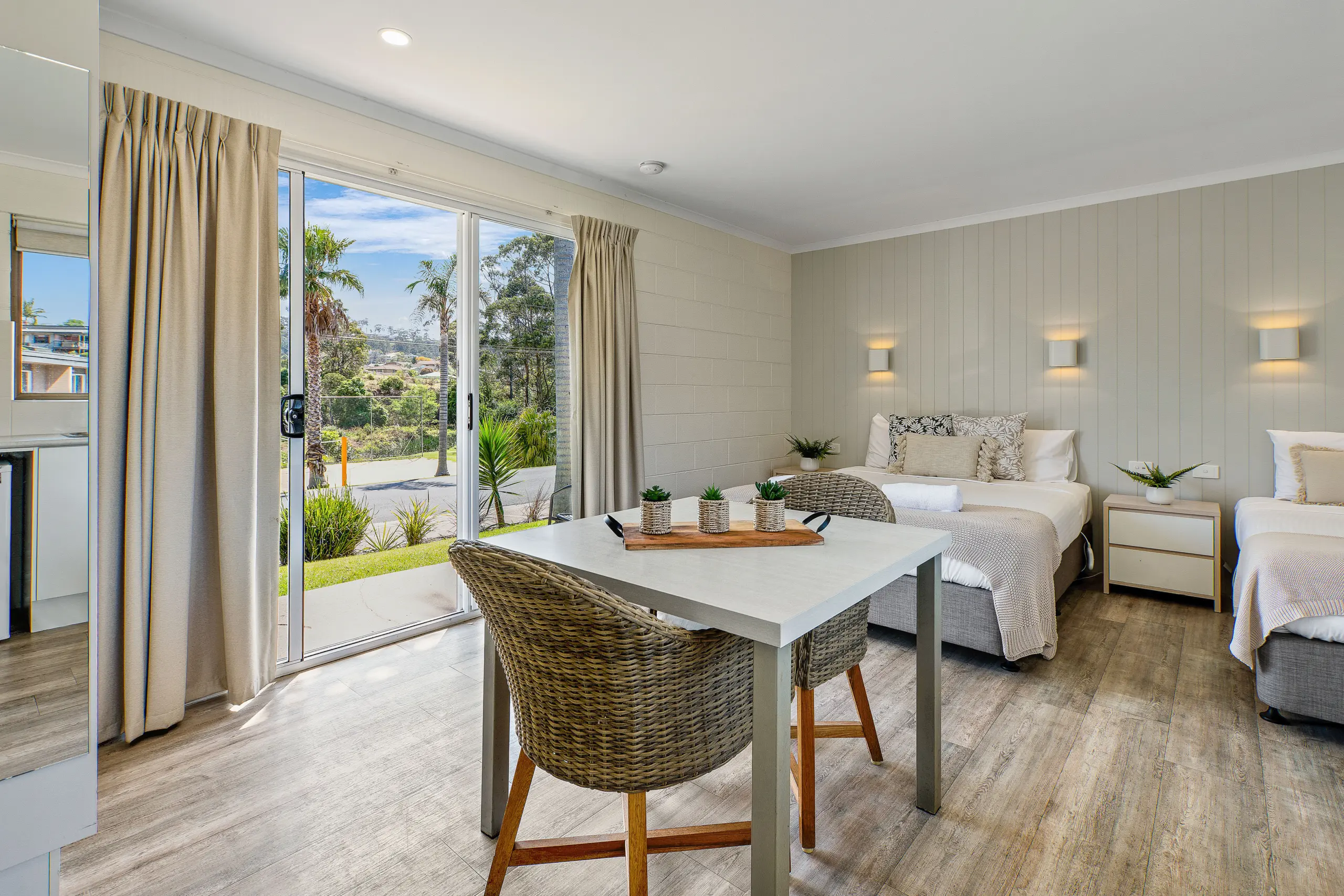
For visitors hoping to experience the magic of Jervis Bay Bioluminescence, Tasman Holiday Parks – Myola offers an ideal, comfortable base. Situated close to the area’s most beautiful beaches and offering easy access to Jervis Bay’s pristine coastal attractions, it’s the perfect place to relax after a night spent chasing the blue tide. Enjoy the charm of Myola’s tranquil setting and the convenience of nearby amenities as you explore all the natural wonders Jervis Bay has to offer.
Whether you’re a seasoned photographer or simply a nature enthusiast, the bioluminescent glow of Jervis Bay is a spectacle that must be seen to be believed. Pack your camera, plan your timing and prepare for an unforgettable experience along the NSW South Coast.

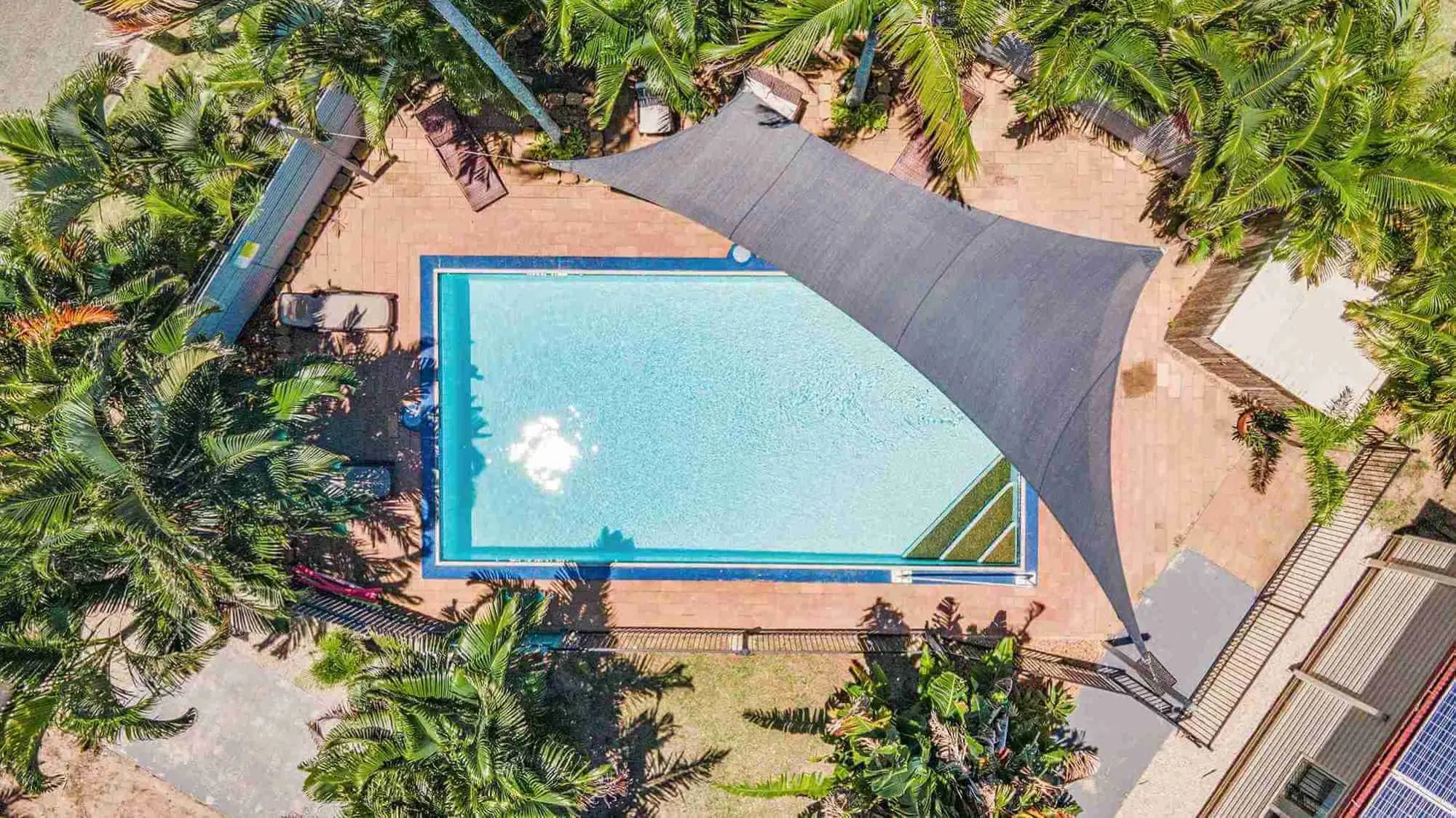
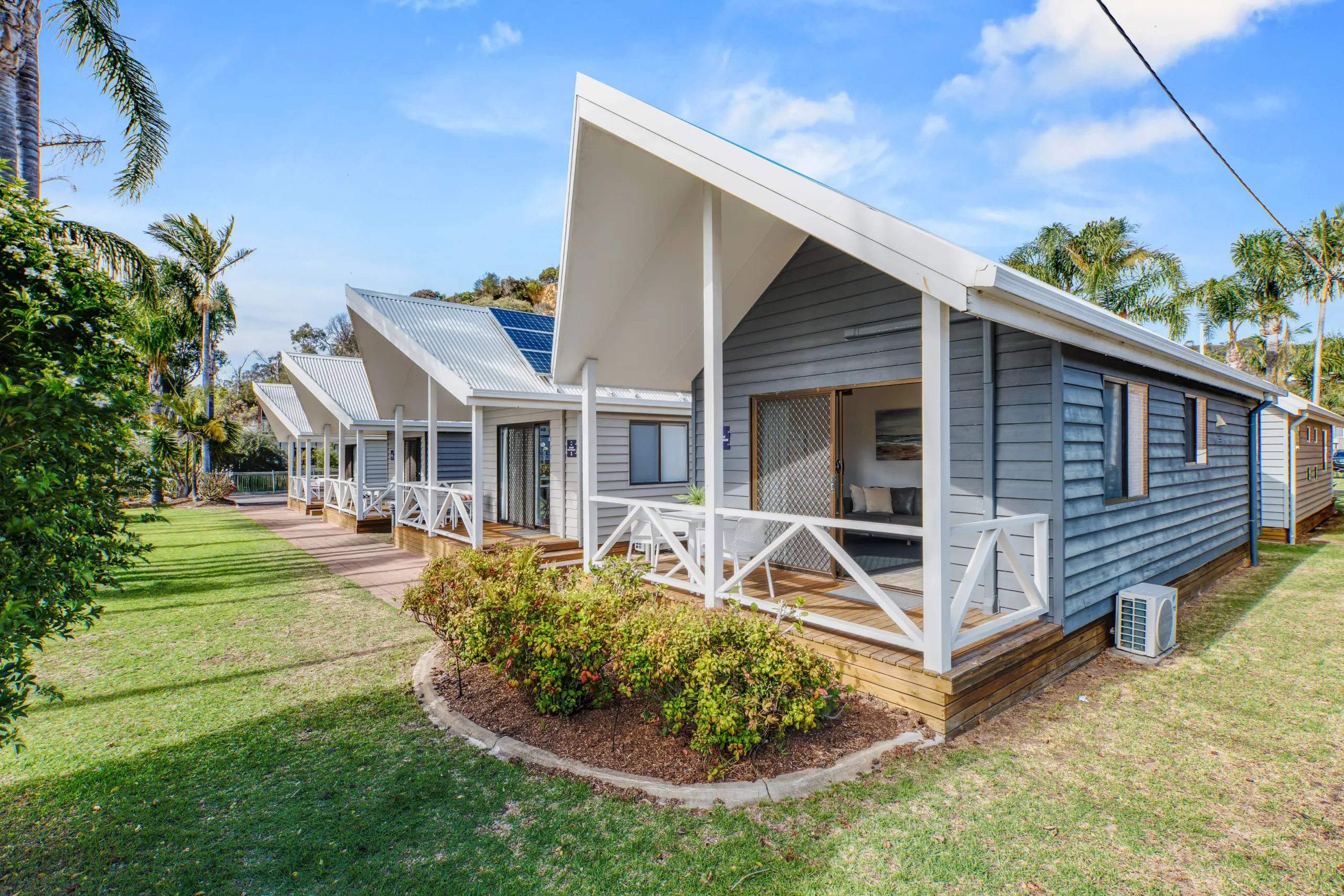
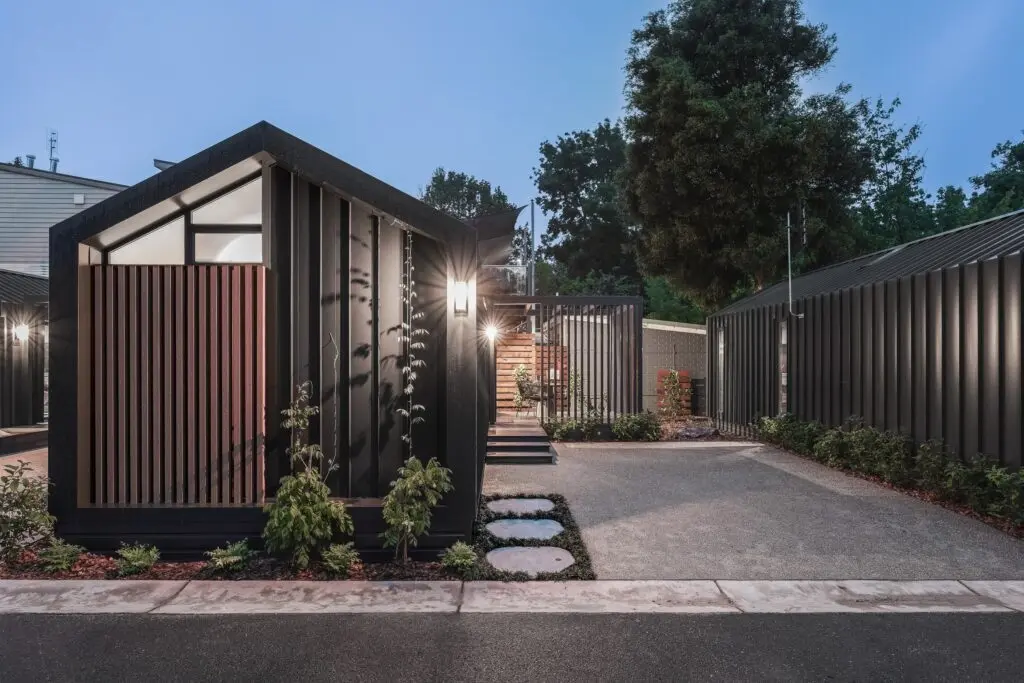
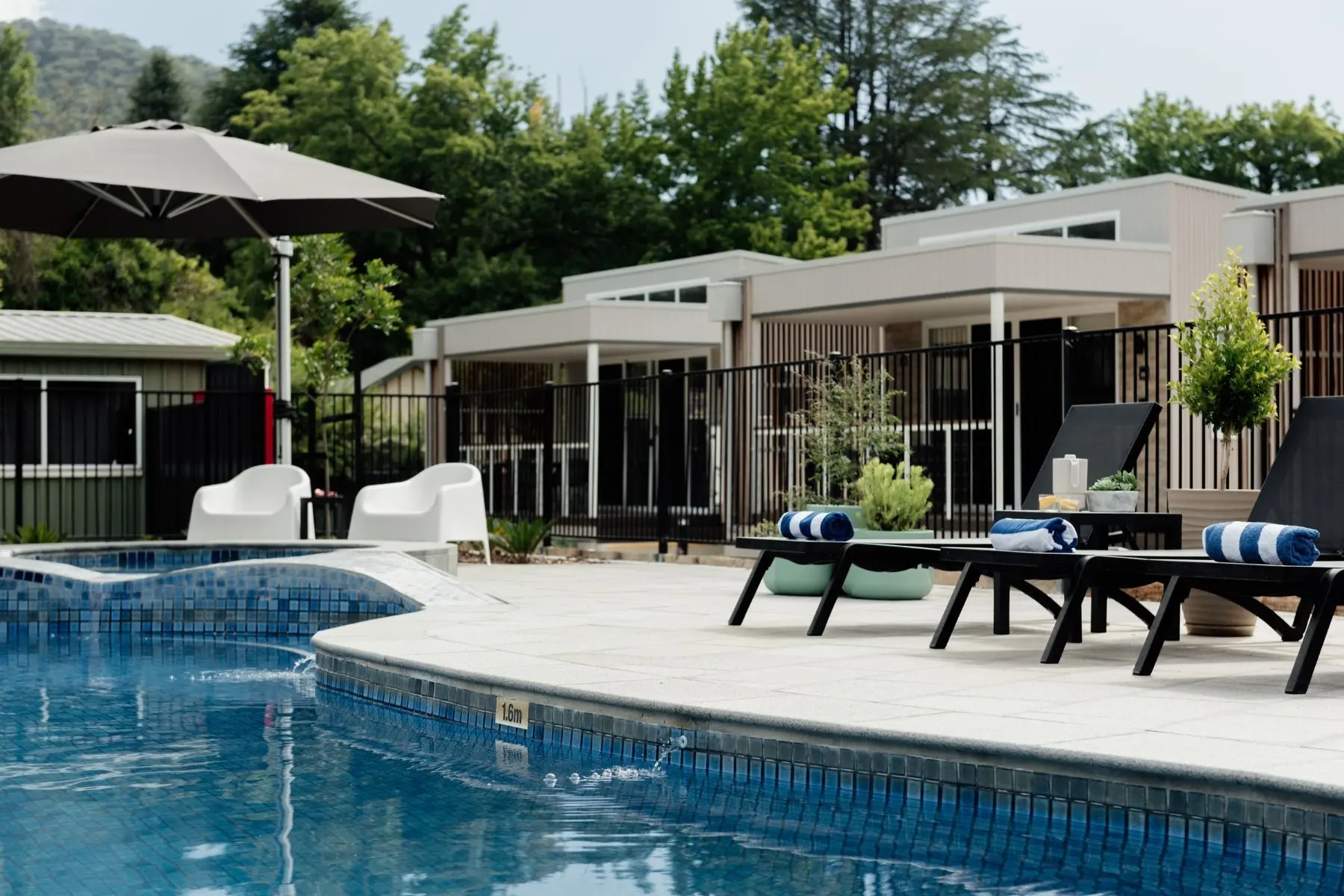
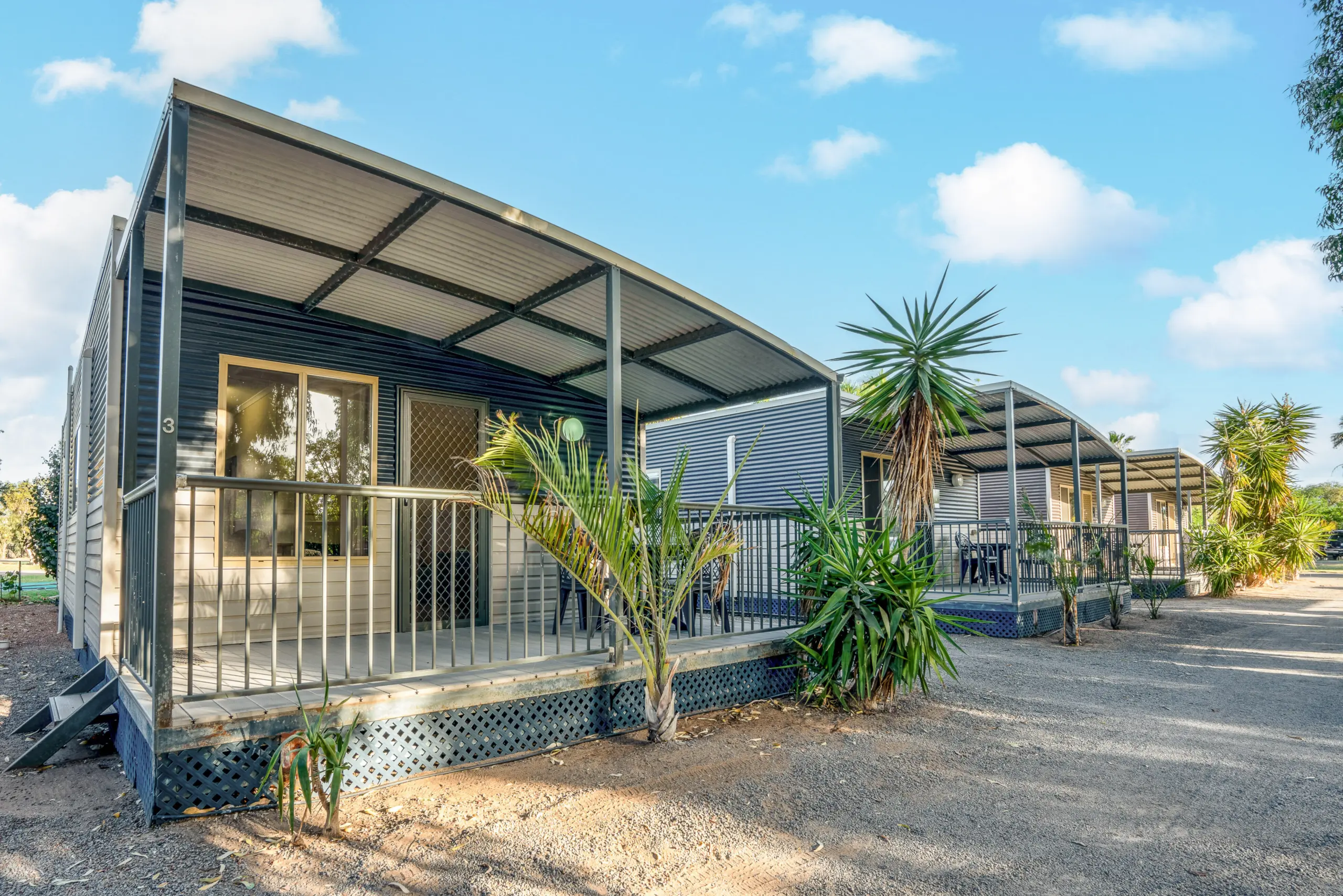
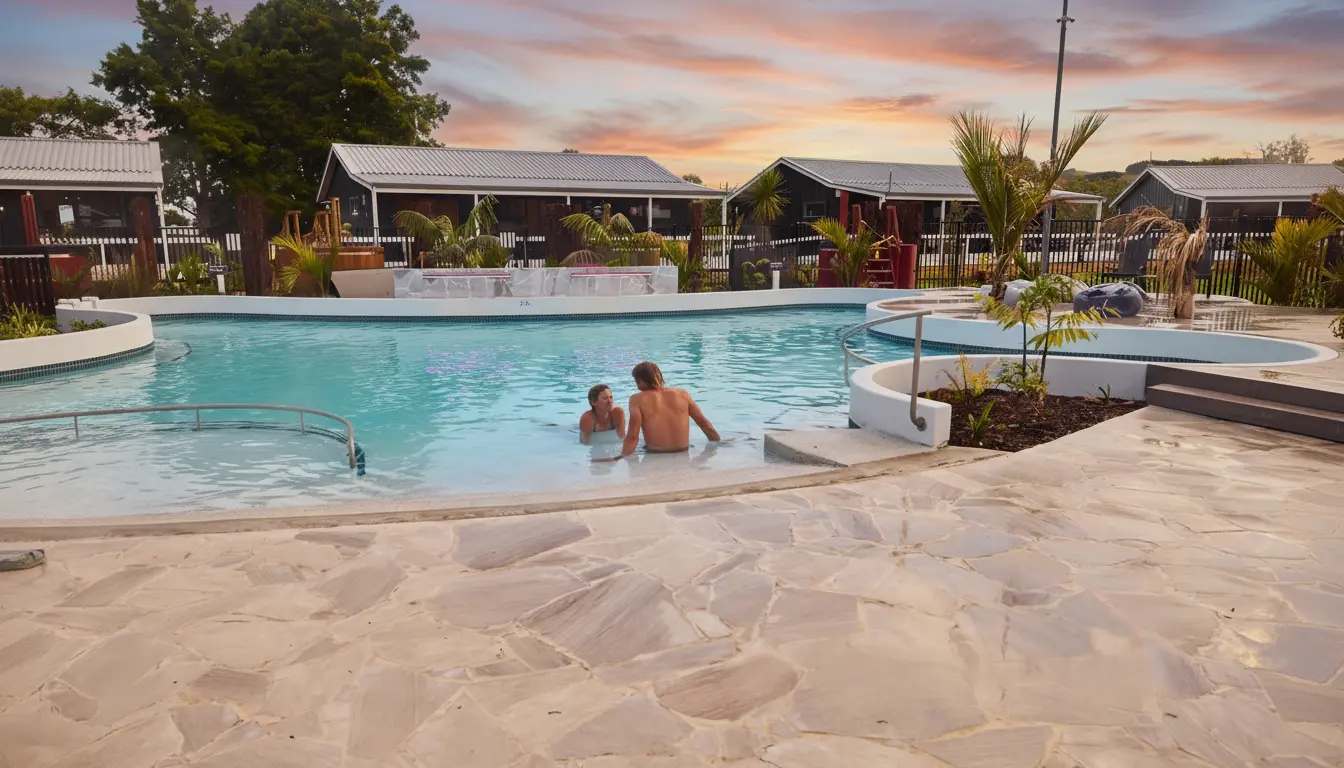
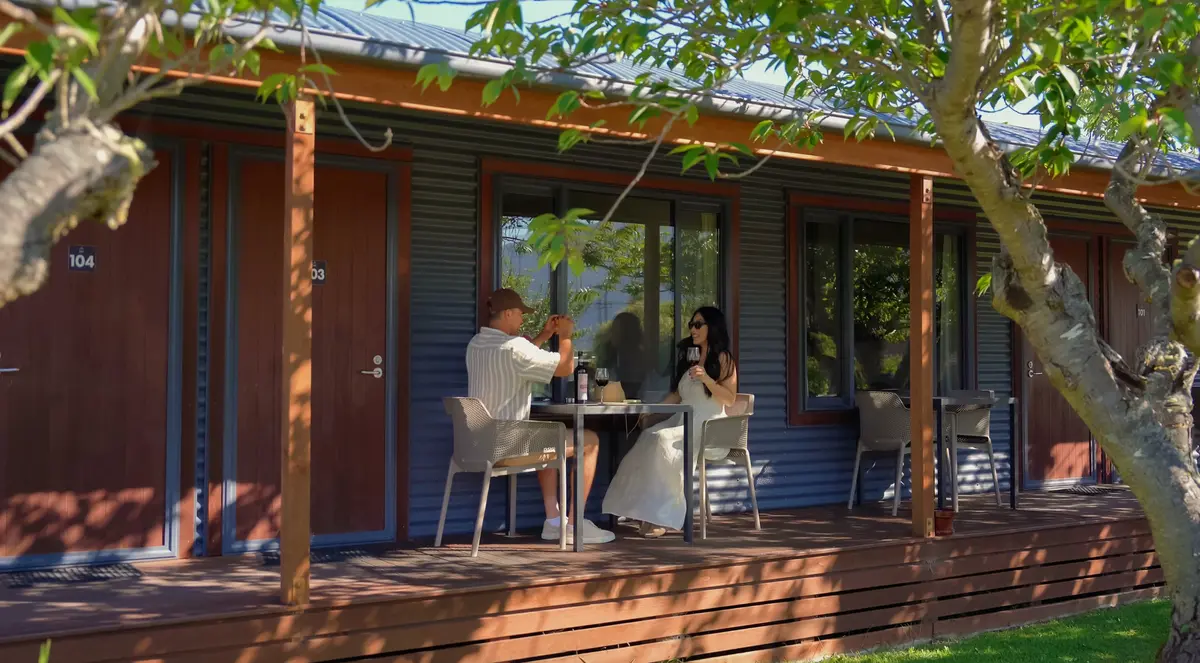
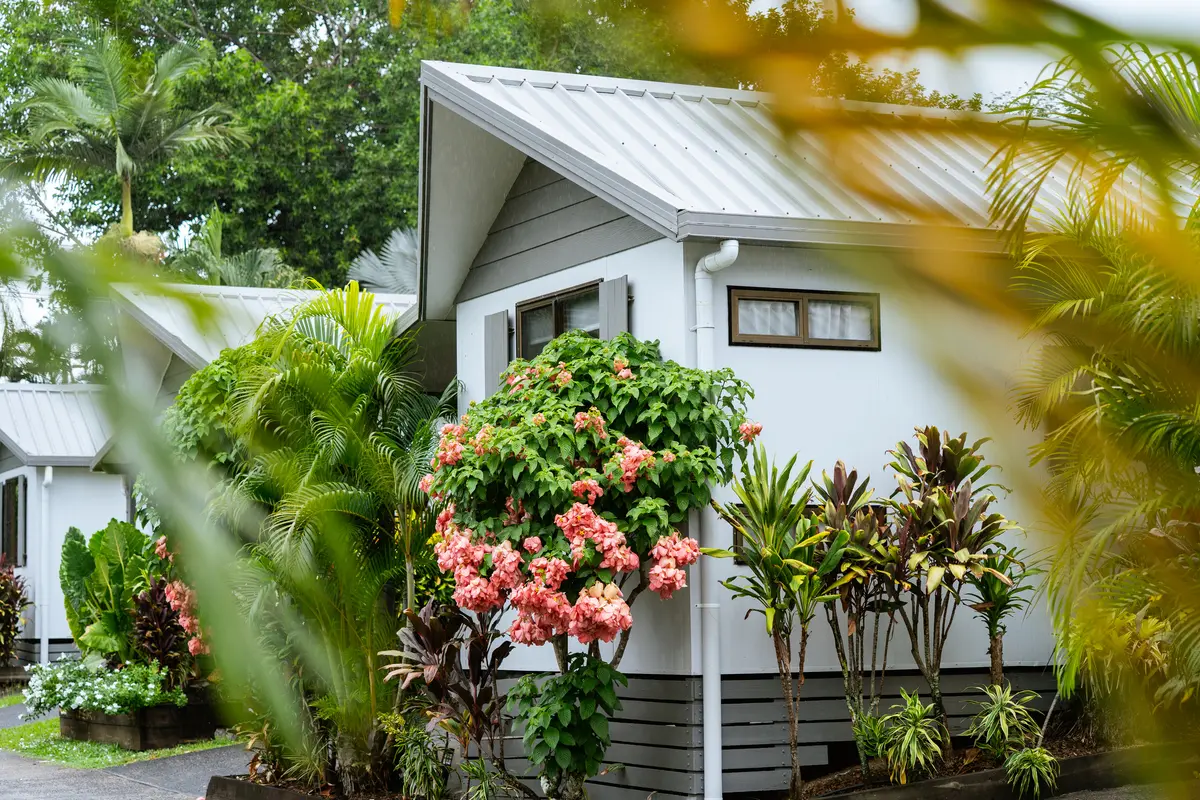
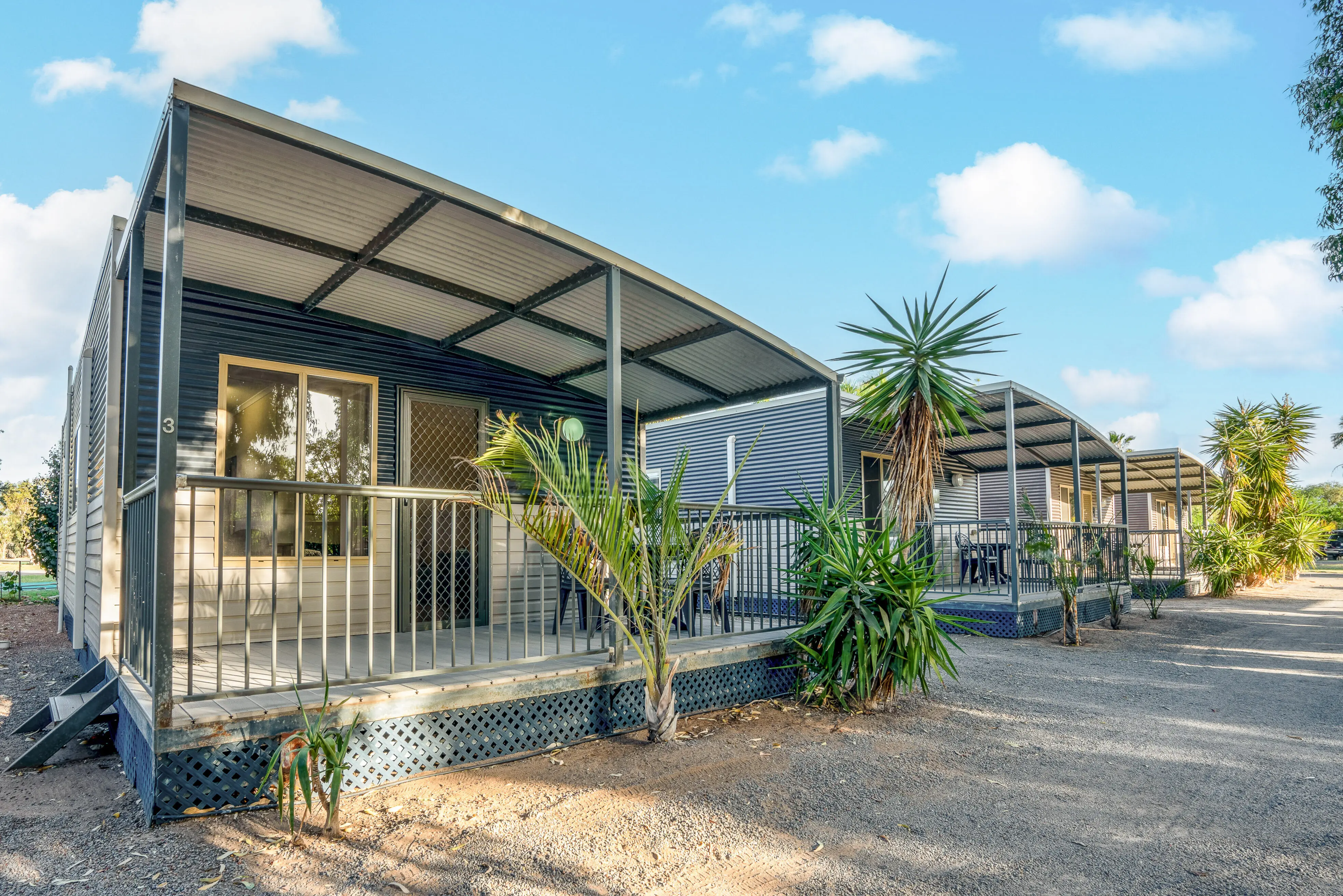
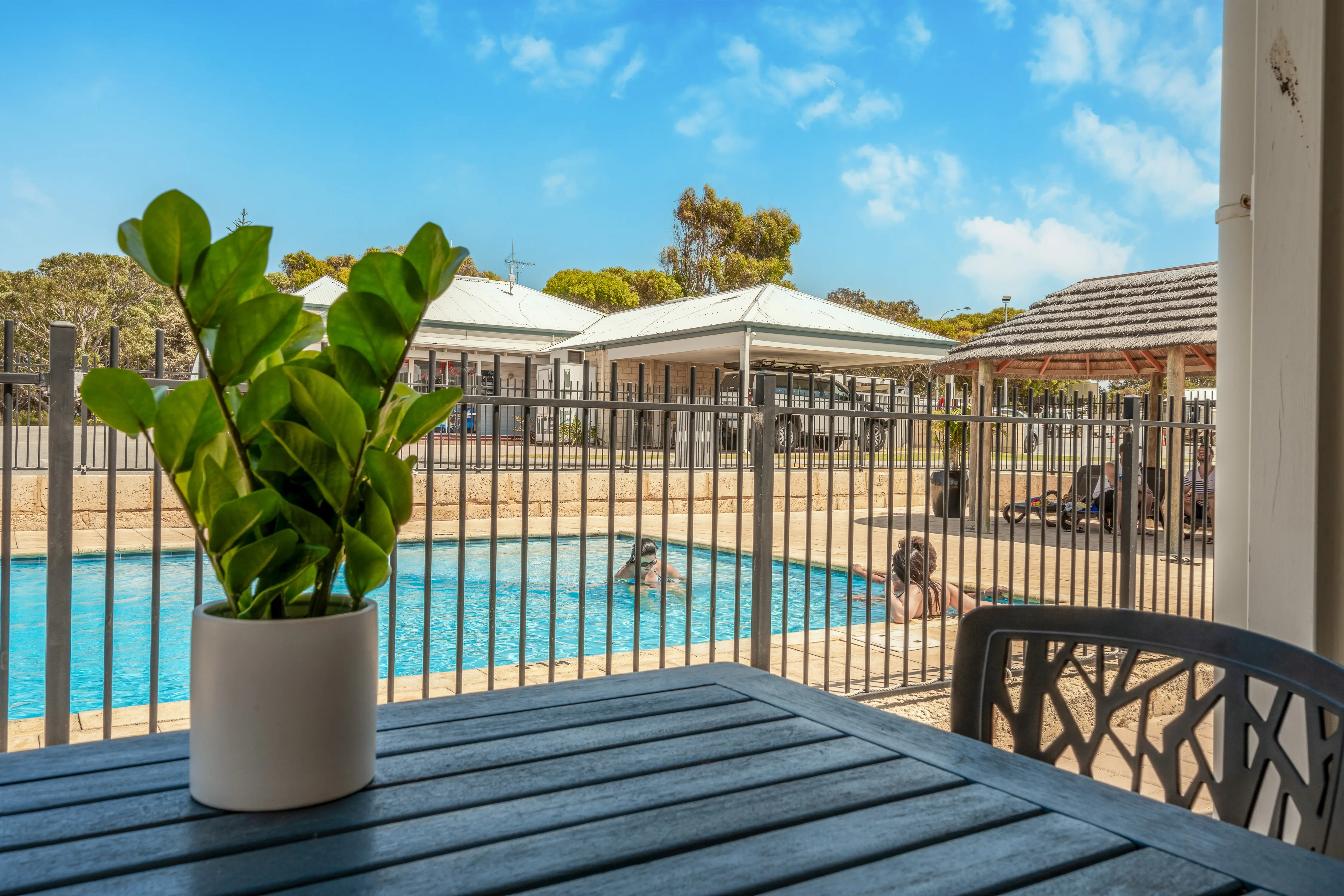
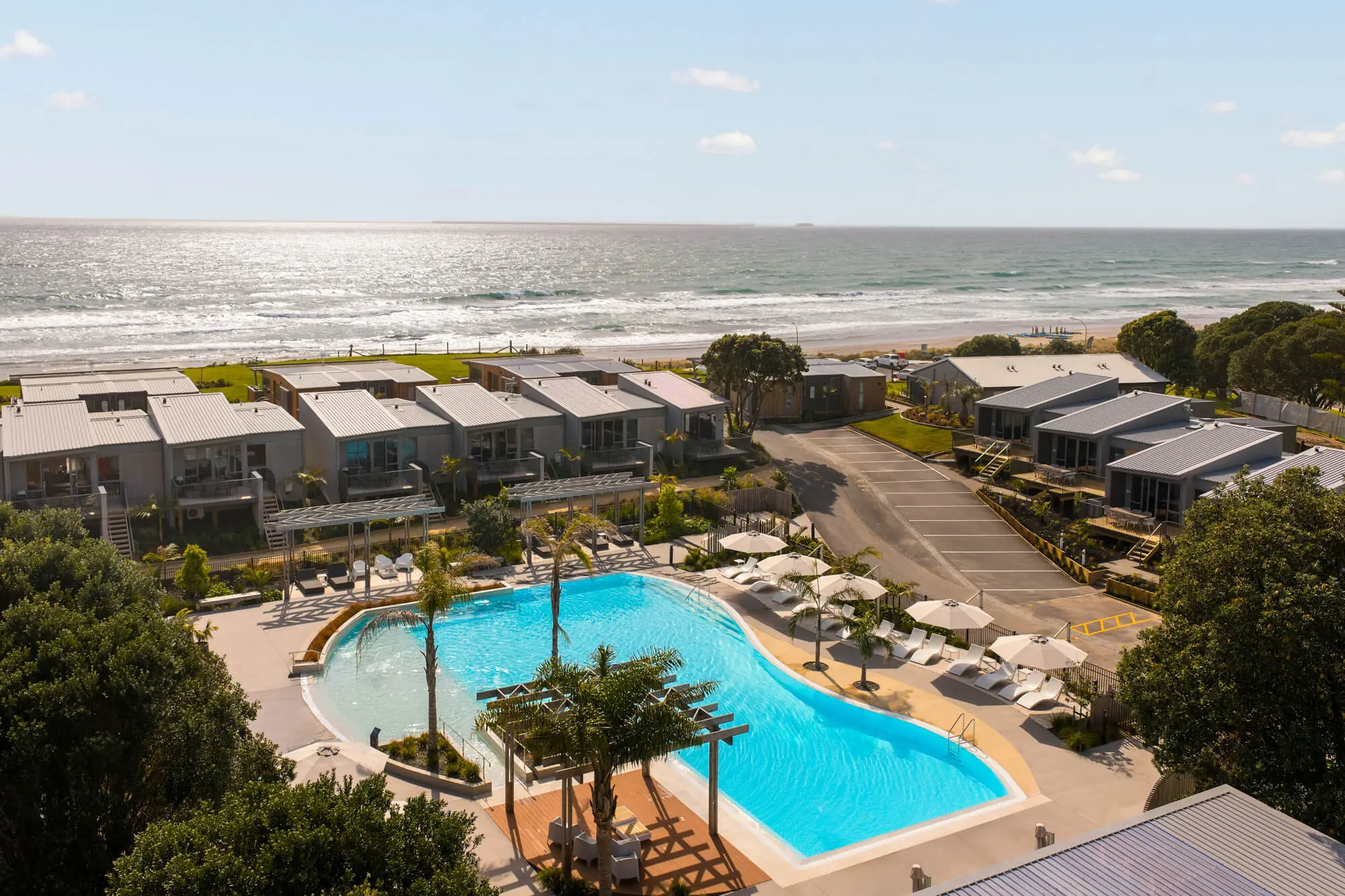
Poolside Villa cabins exterior | Tasman Holiday Parks Myola
Whether you’re a seasoned photographer or simply a nature enthusiast, the bioluminescent glow of Jervis Bay is a spectacle that must be seen to be believed. Pack your camera, plan your timing, and prepare for an unforgettable experience along the NSW South Coast.


